




You're ready to get serious about fitness. But there's a question standing between you and your goals: Should you build a home gym or join a commercial gym?
It's not a simple answer. Both options have compelling benefits, and the right choice depends on your lifestyle, goals, budget, and preferences. Let's break down the real costs, benefits, and trade-offs so you can make the decision that makes sense for you.
The Cost Breakdown: What You're Really Paying
Commercial Gym Costs
On the surface, commercial gyms look cheaper. A $30-50 monthly membership seems like a steal compared to buying thousands of dollars in equipment. But let's do the math:
- Monthly membership: $30-100/month (depending on location and amenities)
- Annual cost: $360-1,200/year
- 5-year cost: $1,800-6,000
- 10-year cost: $3,600-12,000
- Hidden costs: Gas/travel time, parking fees, locker rentals, personal training fees
And here's the kicker: You're paying whether you go or not. Miss a month? You still paid. Too busy? Still paying. Moved across town? You might need a new membership.
Home Gym Costs

Home gyms require an upfront investment, but the math changes dramatically over time:
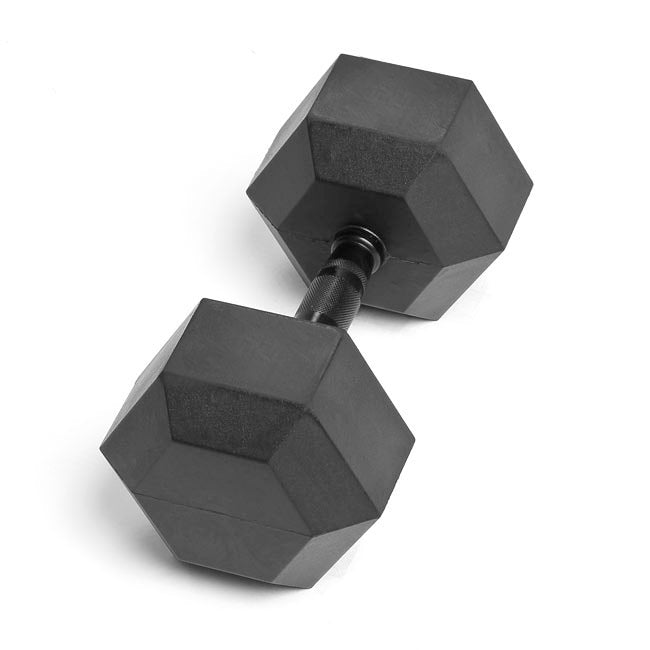
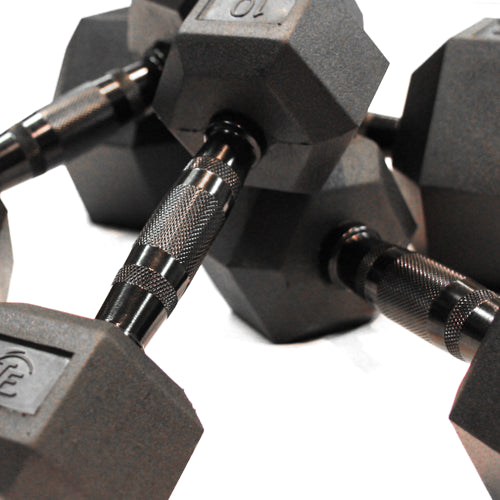
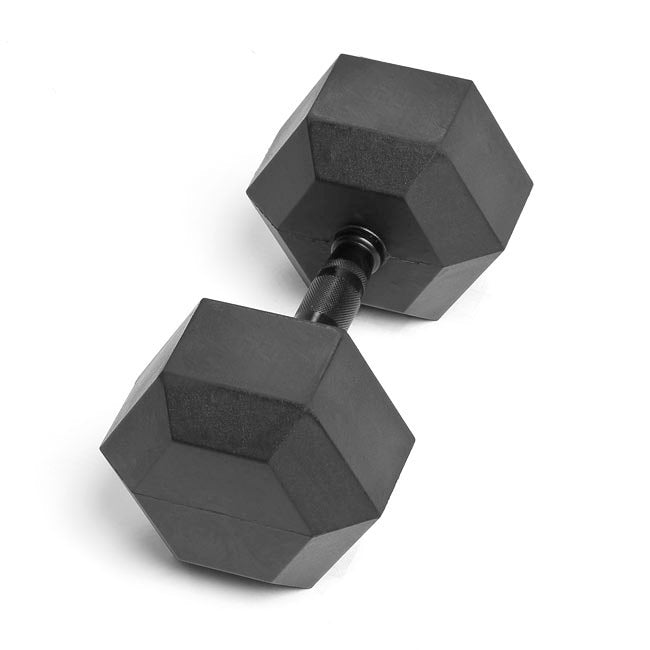
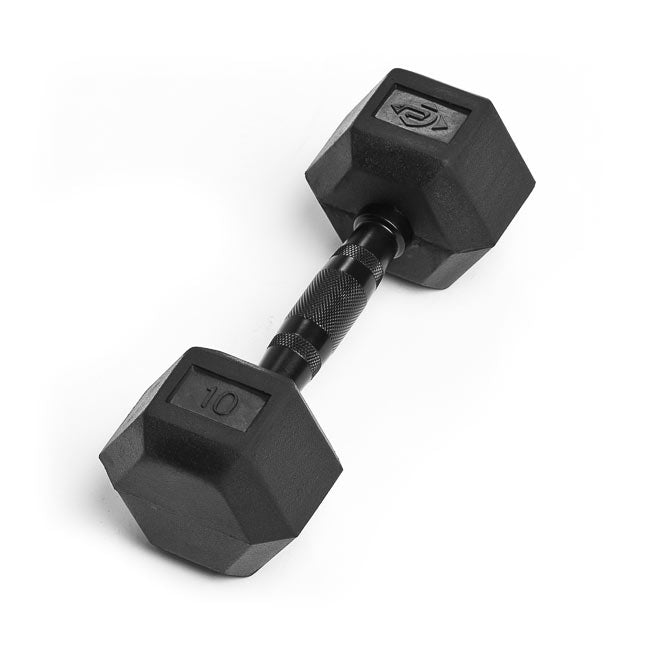
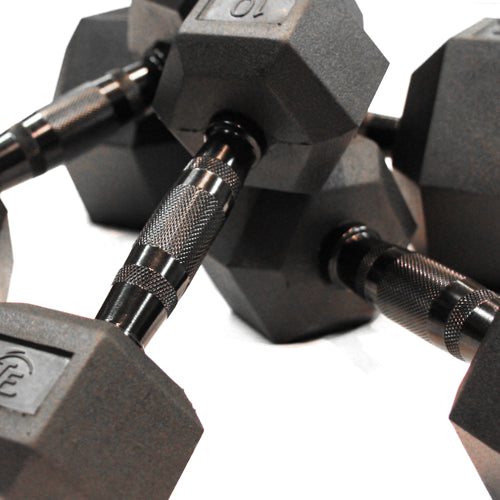
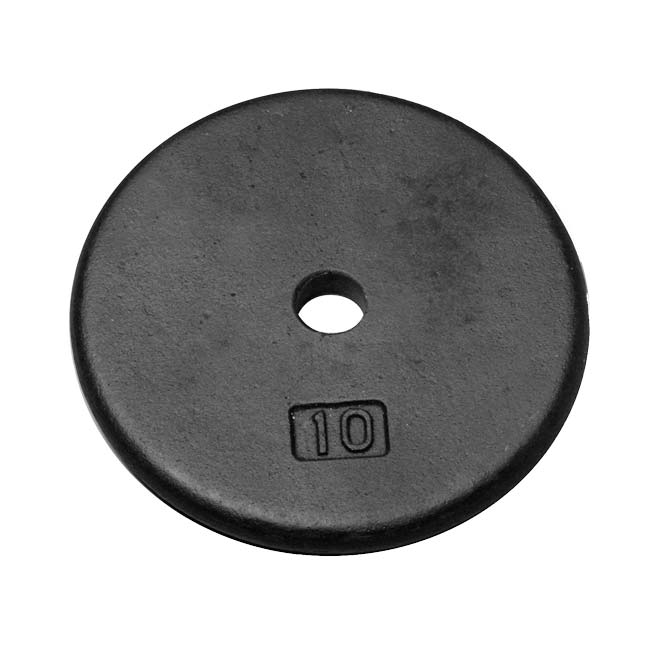
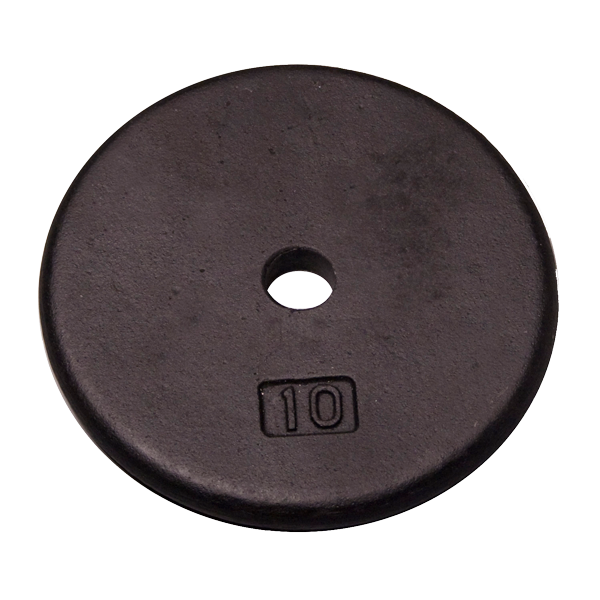
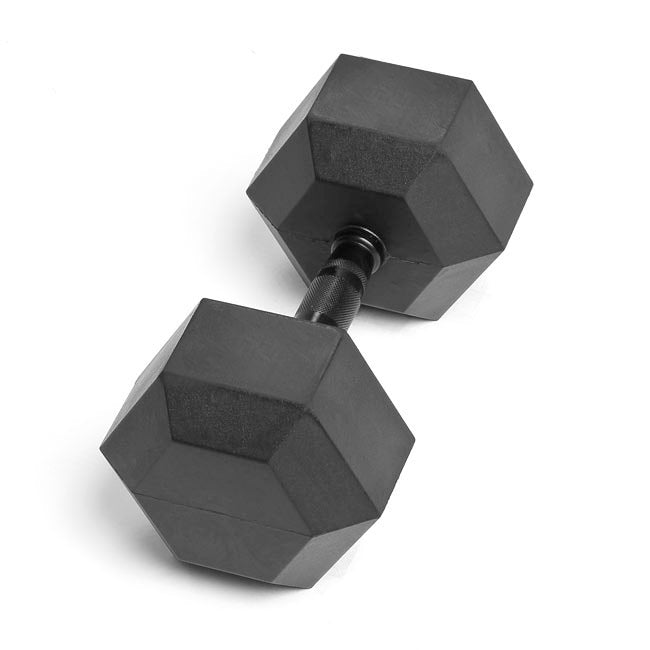
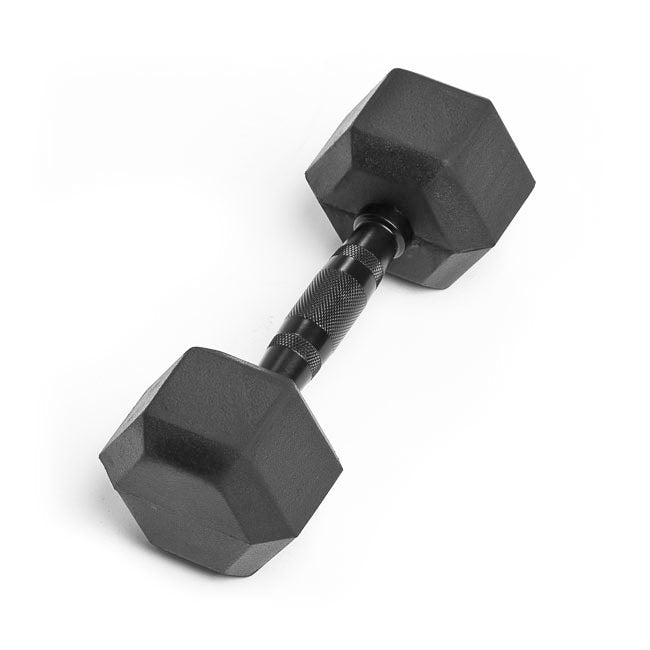
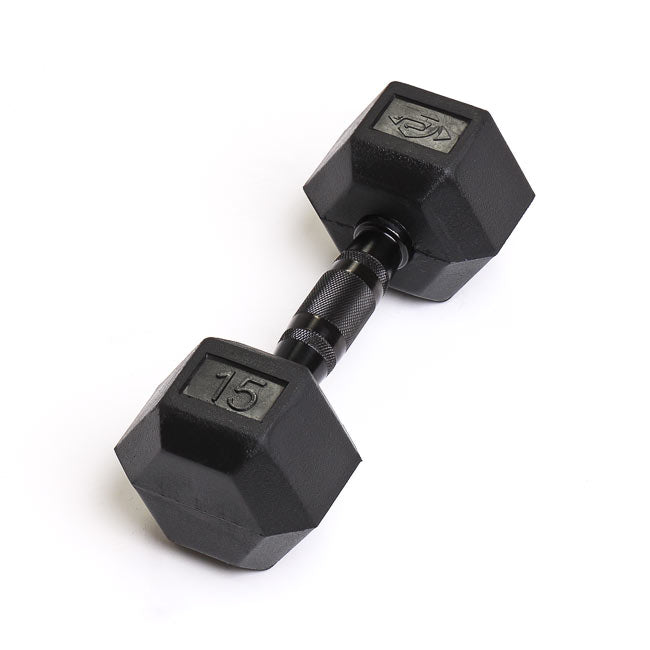
- Starter setup: $500-1,500 (dumbbells, bench, resistance bands, mat)
- Complete setup: $2,000-5,000 (adds cardio machine, rack, more equipment)
- Premium setup: $5,000-10,000 (commercial-grade everything)
- Ongoing costs: Minimal—maybe replacement parts after years of use
- Resale value: Quality equipment retains 50-70% of value after 5 years
The break-even point? Usually 2-4 years, depending on your gym membership cost. After that, your home gym is essentially free—and you own the equipment.
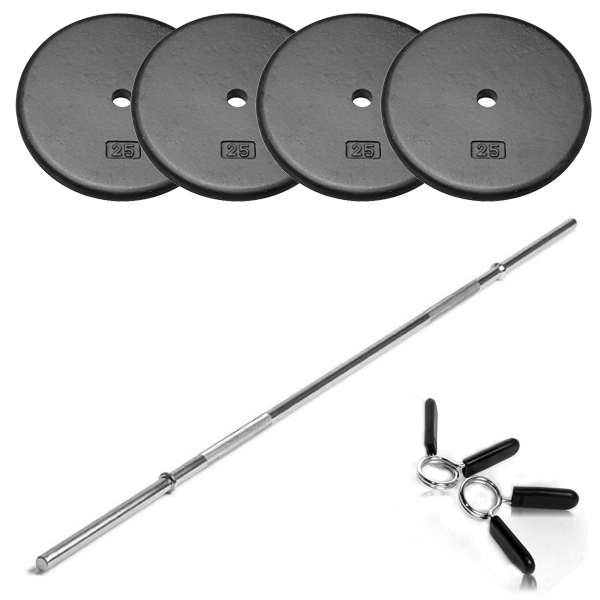
Want to start smart? Check out our home gym bundles that combine essential equipment at better prices than buying individually.
Convenience: The Time Factor
Commercial Gym Convenience
Commercial gyms offer convenience in some ways:
- No setup required: Everything's already there
- No maintenance: Someone else handles repairs and cleaning
- Variety: Access to equipment you might not own
- Social atmosphere: Motivation from seeing others work out
But they also create inconveniences:
- Travel time: 10-30 minutes each way adds up
- Peak hour crowds: Waiting for equipment during busy times
- Operating hours: Can't work out at 5 AM or midnight if the gym's closed
- Weather dependency: Less motivation to go when it's raining or cold
Home Gym Convenience

Home gyms eliminate most barriers to working out:
- Zero travel time: Your gym is steps away
- 24/7 access: Work out whenever motivation strikes
- No waiting: Equipment is always available
- Privacy: No self-consciousness, no distractions
- Multitasking: Watch TV, listen to music, take calls between sets
The convenience factor is huge. When your gym is in your home, you're more likely to use it consistently. No "I'm too tired to drive to the gym" excuses.
Equipment: What Can You Actually Use?
Commercial Gym Equipment
Commercial gyms win on variety:
- Full range of machines and free weights
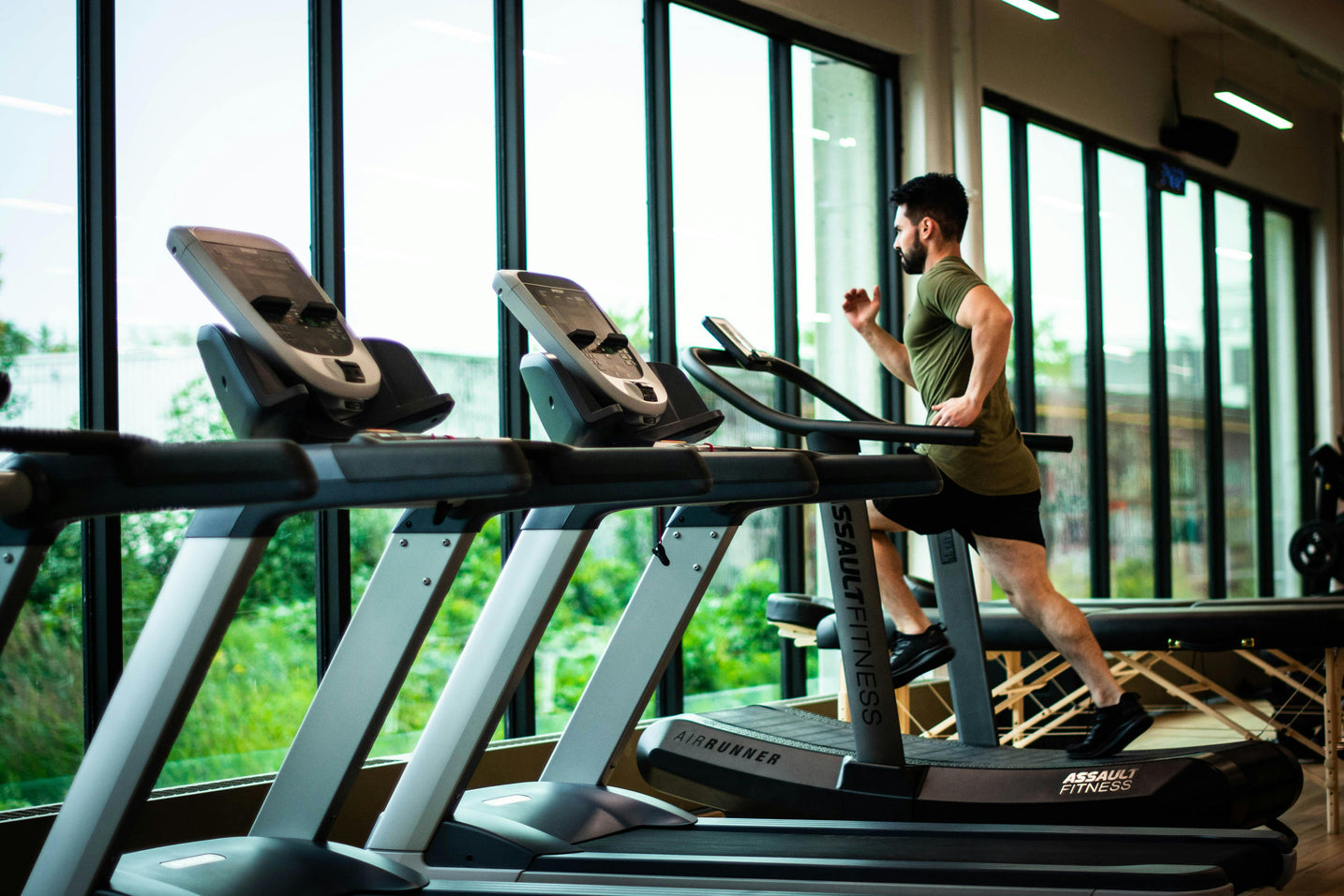
- Cardio equipment (treadmills, bikes, rowers, ellipticals)
- Specialty equipment (cable machines, leg press, Smith machines)
- Group fitness classes
- Swimming pools, saunas, basketball courts (premium gyms)
But there's a catch: You're sharing everything. During peak hours, you might wait 10-15 minutes for a bench or squat rack. Popular machines? Forget about it.
Home Gym Equipment

Home gyms are more limited, but you can build exactly what you need:
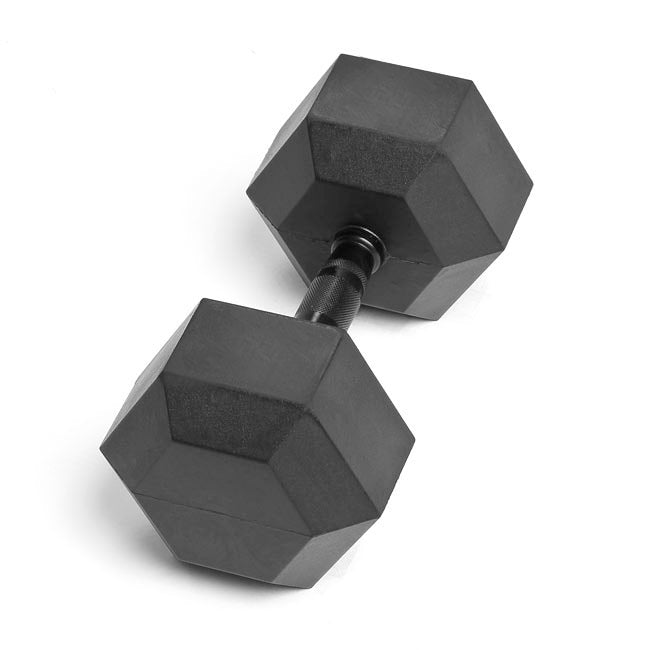
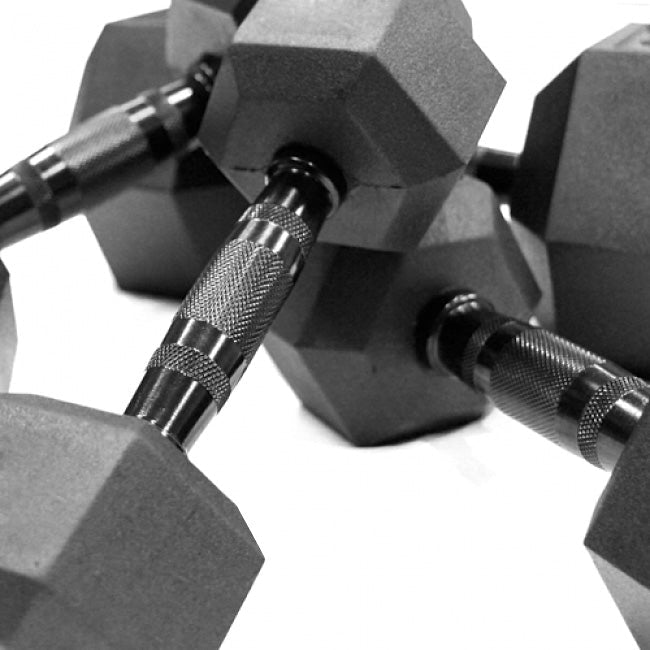
- Core equipment: Dumbbells, bench, resistance bands cover 80% of exercises
- Add cardio: Treadmill, bike, or rower for cardiovascular fitness
- Expand over time: Add a rack, barbell, or specialty equipment as needed
- Quality over quantity: You choose premium equipment, not whatever the gym bought
The key is buying individual high-quality pieces that match your training style. You don't need everything—just what you'll actually use.
Most people find they can achieve their fitness goals with a well-chosen home gym setup. You might miss a few machines, but you'll have everything you need for effective training.
Motivation and Accountability
Commercial Gym Advantages
- Social pressure: Seeing others work out can motivate you
- Personal trainers: Access to professional guidance
- Group classes: Structured workouts with accountability
- Change of scenery: Getting out of the house can boost motivation
Home Gym Advantages
- No excuses: Can't skip because it's "too far" or "too busy"
- Consistency: Easier to build a daily habit when it's at home
- Personalized environment: Your music, your temperature, your rules
- No intimidation: Work at your own pace without feeling judged
Both can work, but home gyms remove barriers that often derail commercial gym memberships. When your gym is always available, you're more likely to use it consistently.
Space Requirements: Do You Have Room?

This is where commercial gyms have a clear advantage—they handle the space for you. But home gyms are more flexible than you might think:
- Minimal setup: Dumbbells and resistance bands fit in a closet
- Corner gym: A bench and rack can fit in 50-100 square feet
- Garage/basement: Convert unused space into a dedicated gym
- Foldable equipment: Many benches and racks fold for storage
You don't need a massive space. A corner of your garage, basement, or even a spare bedroom can house an effective home gym. The key is choosing space-efficient equipment that matches your available area.
Maintenance and Upkeep
Commercial Gym
Zero maintenance for you—the gym handles everything. But you're at their mercy for:
- Equipment availability (broken machines stay broken for weeks sometimes)
- Cleanliness standards (some gyms are cleaner than others)
- Equipment quality (they buy what's cheapest, not what's best)
Home Gym
You're responsible for maintenance, but it's minimal:
- Cleaning: Wipe down equipment after use (5 minutes)
- Maintenance: Quality equipment needs very little—maybe lubricate moving parts annually
- Repairs: Rare with quality equipment, but you handle them when needed
The trade-off: You control everything. Equipment breaks? You fix it immediately. Want it cleaner? Clean it yourself. Quality equipment requires minimal maintenance anyway.
Who Should Choose a Commercial Gym?
Commercial gyms make sense if you:
- Need variety: Want access to machines and equipment you can't afford at home
- Thrive on social atmosphere: Get motivated by seeing others work out
- Want group classes: Love structured classes like spin, yoga, or HIIT
- Have limited space: Truly can't fit even minimal equipment at home
- Travel frequently: Want gym access in multiple locations
- Need professional guidance: Want regular access to personal trainers
Who Should Choose a Home Gym?
Home gyms make sense if you:
- Value convenience: Want to work out without leaving home
- Have space available: Garage, basement, or spare room you can dedicate
- Prefer privacy: Want to work out without feeling self-conscious
- Have specific goals: Know what equipment you need and don't need variety
- Plan long-term: See fitness as a lifelong commitment
- Want control: Prefer your own music, schedule, and environment
- Have family: Want to work out while kids are home or sleeping
The Hybrid Approach: Best of Both Worlds
You don't have to choose just one. Many people successfully combine both:
- Home gym for daily training: Convenience and consistency
- Commercial gym for variety: Monthly drop-ins for specialty equipment or classes
- Home gym for strength: Your core equipment at home
- Commercial gym for cardio: Use their treadmills and pools
This approach gives you the convenience of home training with the option to access commercial gym amenities when you want them.
Making Your Decision: Key Questions to Ask
Answer these honestly to guide your choice:
- How often will you actually go? If it's less than 3x per week, a home gym might be more cost-effective.
- What's your budget? Can you afford quality home equipment upfront, or do you need the lower monthly cost?
- Do you have space? Even a corner can work for a minimal setup.
- What are your goals? Do you need variety, or can you achieve results with core equipment?
- What motivates you? Social atmosphere or privacy and convenience?
- How long will you use it? If it's a long-term commitment, home gym pays off.
The Bottom Line
There's no universal "better" choice—it depends on your situation. But here's what we know:
- Home gyms win on: Convenience, long-term cost, privacy, consistency
- Commercial gyms win on: Variety, social atmosphere, no upfront cost, no maintenance
If you're serious about fitness and have the space, a home gym is often the smarter long-term investment. You'll use it more consistently, save money over time, and have complete control over your training environment.
If you're just starting out or need variety and social motivation, a commercial gym membership might be the right first step. You can always build a home gym later as your commitment and goals evolve.
Ready to explore home gym options? Check out our home gym bundles for complete setups, or browse our selection of individual high-quality pieces to build your perfect gym. Have questions? Visit our FAQs page or check our shipping information to learn more.
Whether you choose home or commercial, the most important thing is choosing something you'll actually use consistently. That's the gym that makes sense for you.