

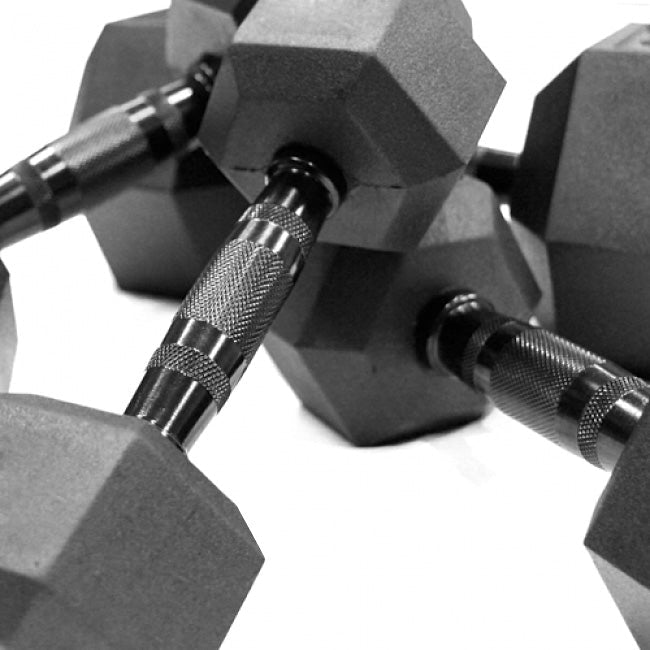
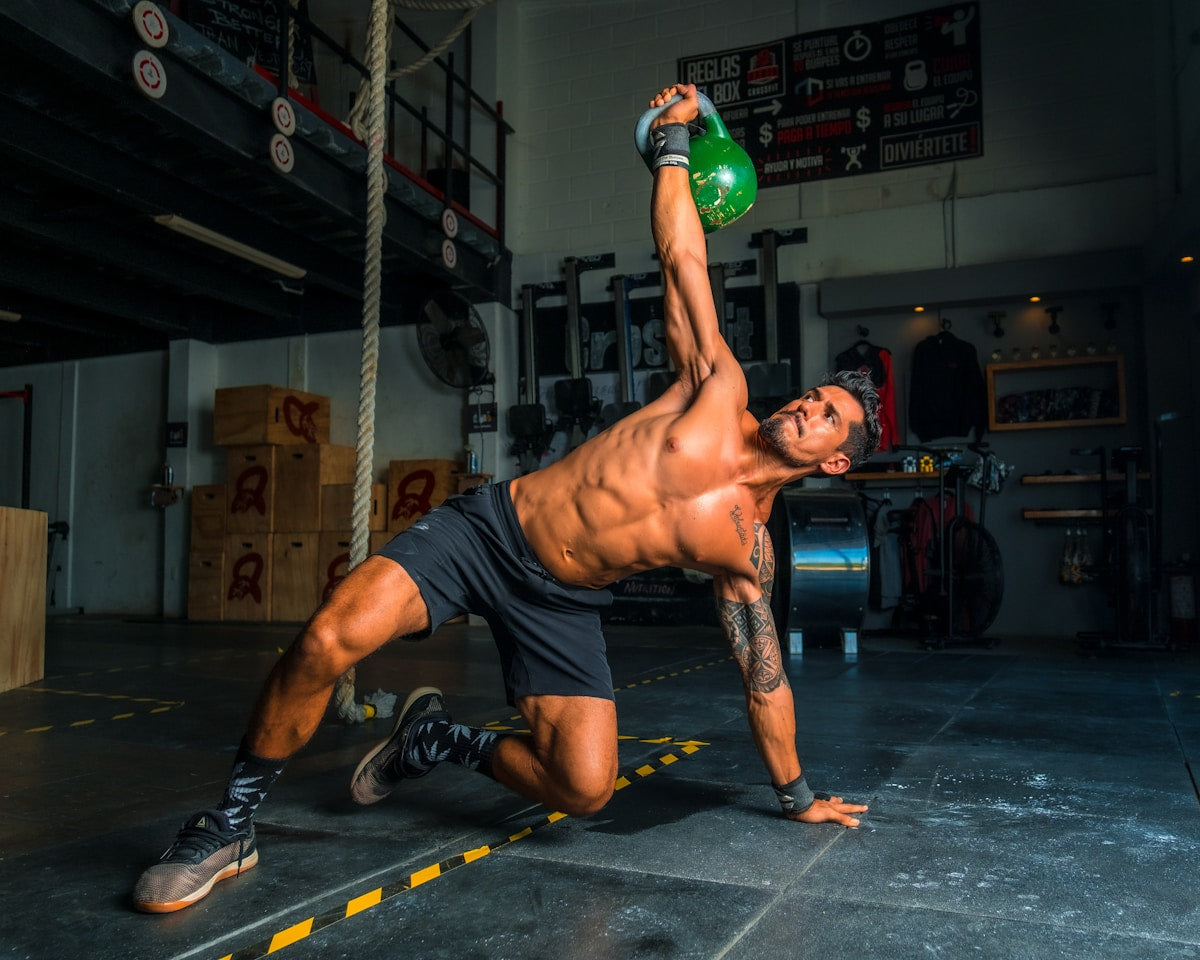

Your gym equipment is a significant investment in your health and fitness. Proper maintenance not only extends the lifespan of your equipment but also ensures safe, effective workouts. Whether you own a single dumbbell set or a complete home gym, this comprehensive maintenance guide will help you keep your fitness equipment in peak condition for years to come.
Why Equipment Maintenance Matters

Regular maintenance protects your investment and ensures your safety. Well-maintained equipment performs better, lasts longer, and reduces the risk of injuries from equipment failure.
Key Benefits of Regular Maintenance
- Extended lifespan: Proper care can double or triple equipment life
- Safety assurance: Prevents accidents from equipment failure
- Optimal performance: Equipment works as designed when maintained
- Cost savings: Avoids expensive repairs and replacements
- Hygiene: Clean equipment prevents bacteria and odor buildup
- Resale value: Well-maintained equipment retains value
Daily Maintenance Routine

Simple daily habits keep your equipment clean and functional. These quick tasks take just minutes but make a huge difference.
After Each Workout
- Wipe down equipment: Use disinfectant wipes or spray on all surfaces
- Clean handles and grips: Remove sweat and oils from contact points
- Return weights to storage: Prevents damage and maintains organization
- Check for damage: Quick visual inspection for obvious issues
- Air out equipment: Allow padded surfaces to dry completely
Cleaning Solutions
- Disinfectant sprays: Safe for most equipment surfaces
- Microfiber cloths: Effective for wiping without scratching
- Mild soap and water: For deep cleaning sessions
- Equipment-specific cleaners: Follow manufacturer recommendations
Weekly Deep Cleaning
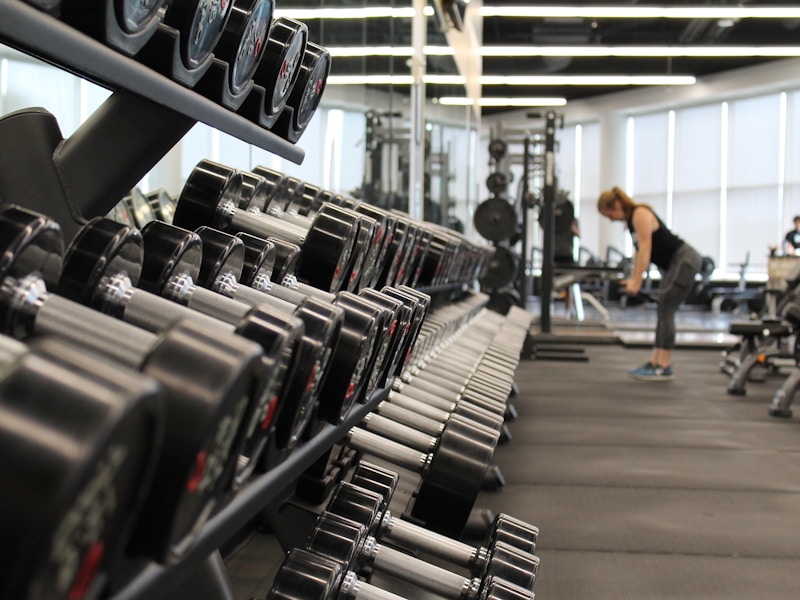
Set aside time each week for thorough cleaning. This prevents buildup and keeps your gym looking professional.
Weekly Cleaning Checklist
- Deep clean all equipment surfaces
- Sanitize high-touch areas thoroughly
- Clean and inspect cables and pulleys
- Check and tighten loose bolts
- Vacuum or sweep flooring
- Clean mirrors and windows
- Organize storage areas
Monthly Inspection and Maintenance

Monthly inspections catch problems early before they become costly repairs. Create a checklist and stick to it.
Inspection Checklist
Weight Equipment
- Check for cracks or damage in weights
- Inspect dumbbell handles for wear
- Test adjustable mechanisms
- Verify weight accuracy
- Check for rust or corrosion
Benches and Padded Surfaces
- Inspect padding for tears or compression
- Check upholstery for wear
- Test adjustment mechanisms
- Verify stability and leveling
- Check frame for cracks or bends
Cables and Pulleys
- Inspect cables for fraying or kinks
- Check pulley wheels for smooth operation
- Lubricate moving parts
- Test cable tension
- Replace worn cables immediately
Cardio Equipment
- Clean display screens
- Check belt or track alignment
- Lubricate moving parts
- Test safety features
- Inspect power cords
Equipment-Specific Maintenance

Different equipment types require specific care. Follow these guidelines for your particular pieces.
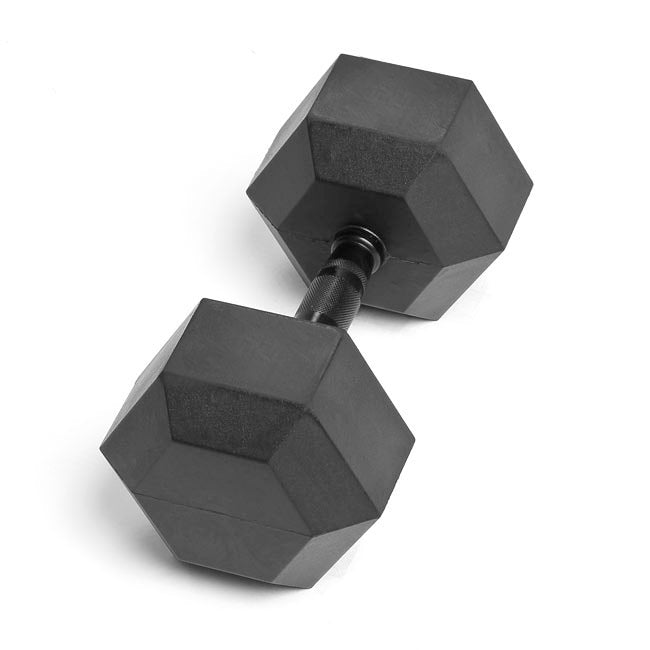
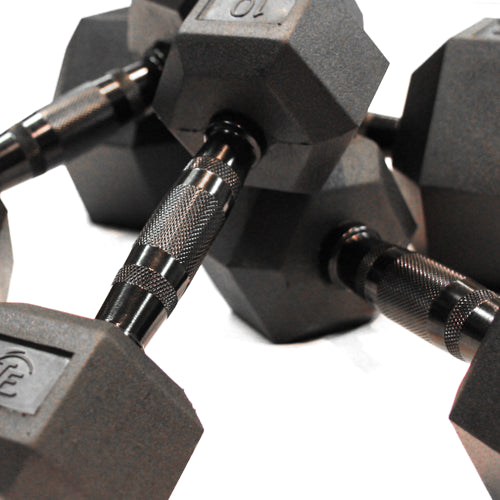
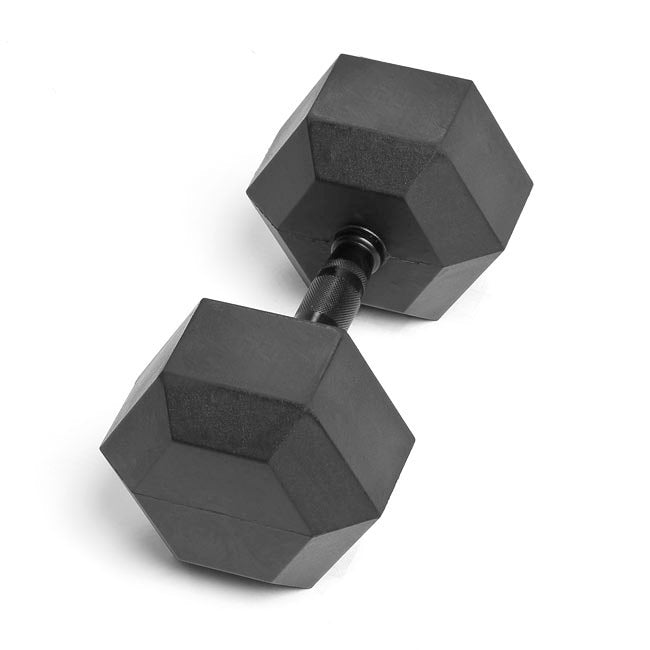
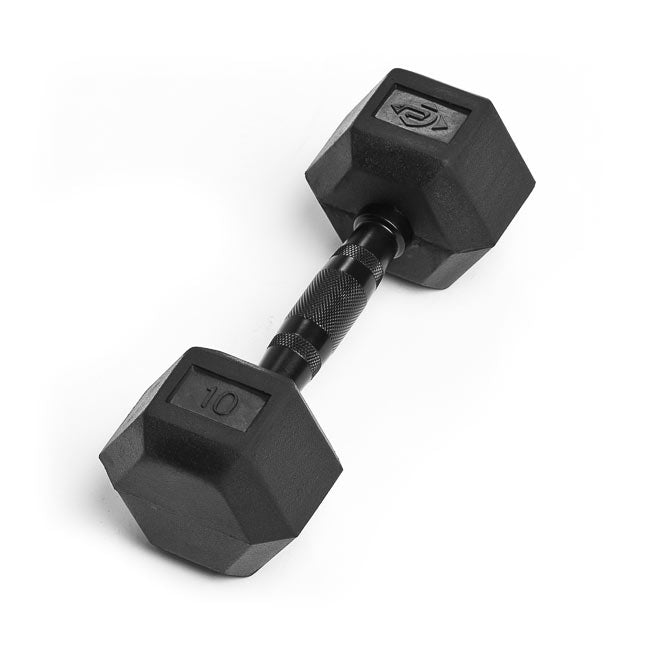
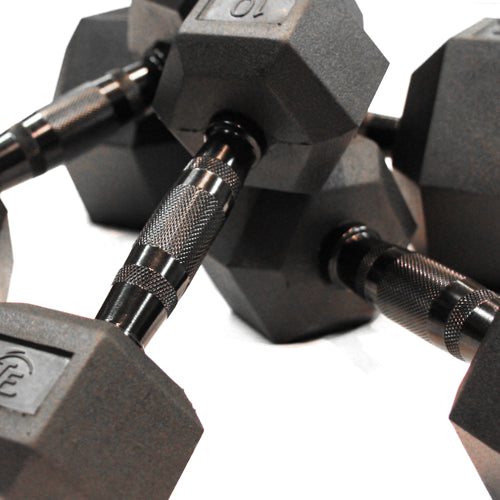
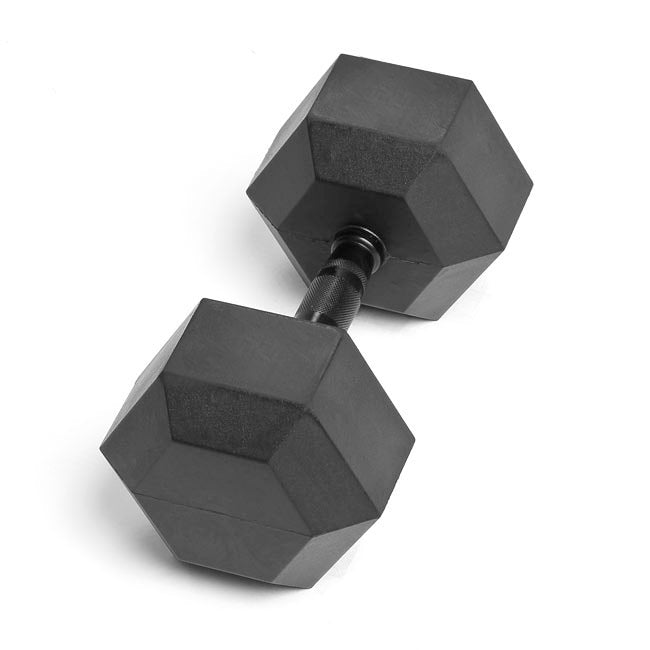
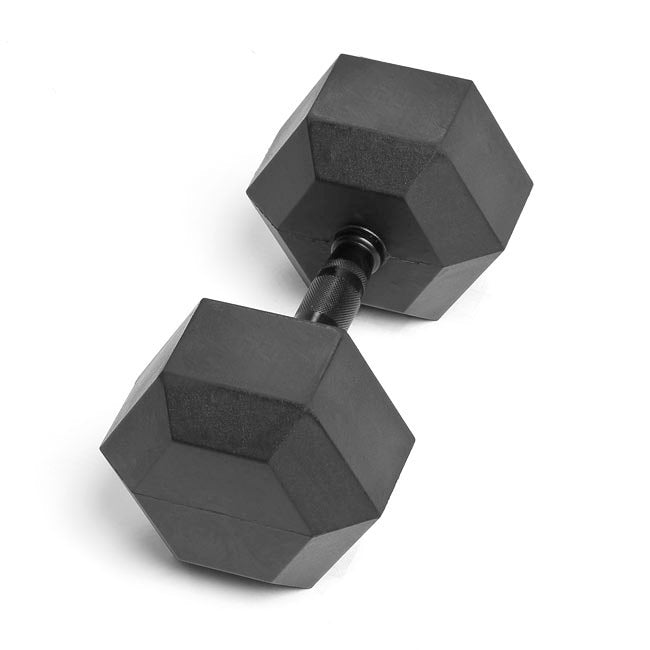
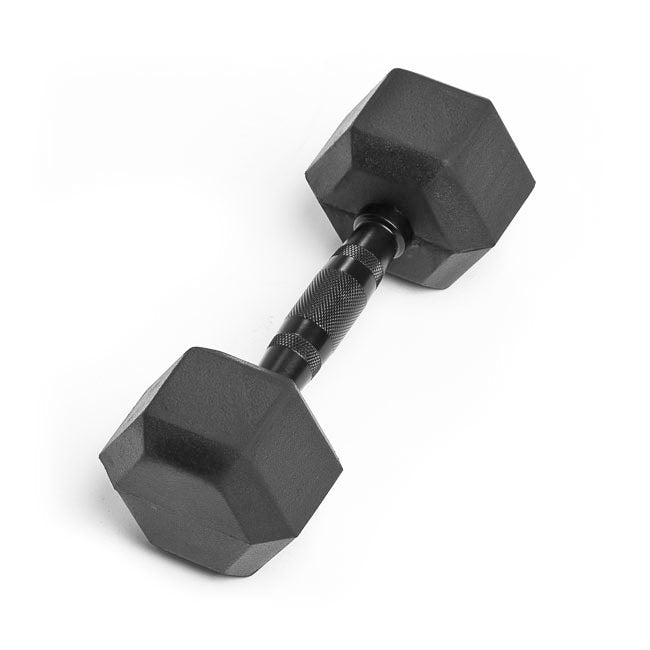
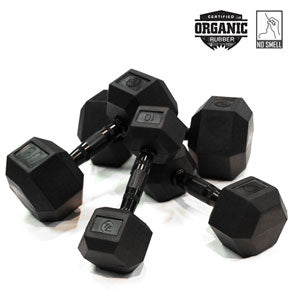
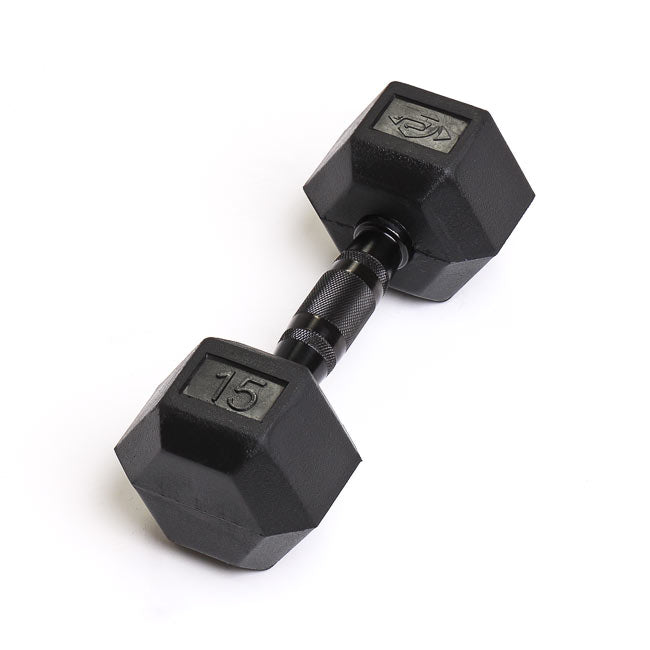
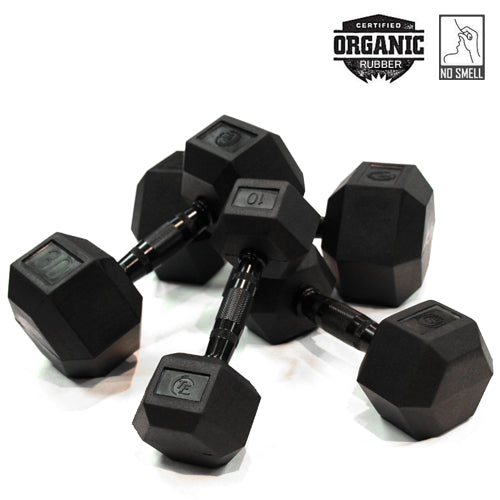
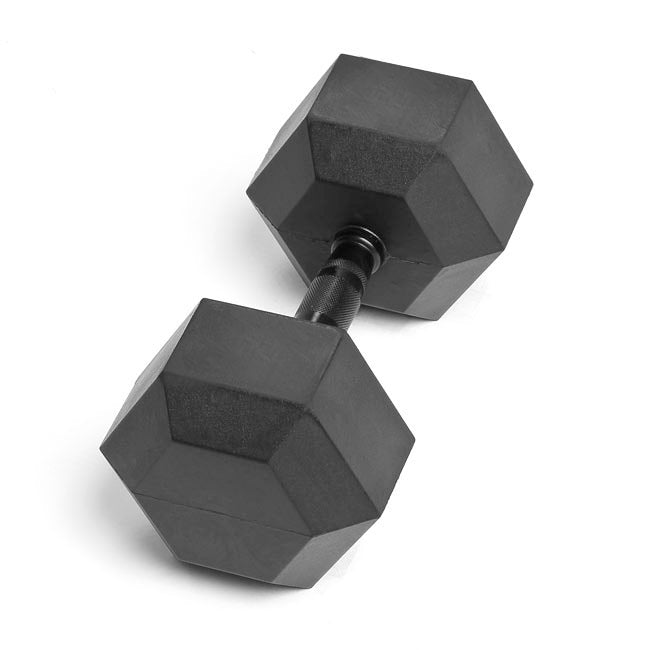
Dumbbells and Free Weights
- Cleaning: Wipe with dry cloth after each use, deep clean monthly
- Rust prevention: Store in dry area, use rust inhibitors if needed
- Handle care: Clean grips regularly, replace if worn
- Storage: Use proper racks to prevent damage
Adjustable Benches
- Padding care: Clean with mild soap, avoid harsh chemicals
- Frame maintenance: Tighten bolts monthly, check for rust
- Adjustment mechanisms: Lubricate pivot points quarterly
- Stability check: Ensure all feet contact floor evenly
Resistance Bands
- Inspection: Check for cracks, tears, or weak spots
- Cleaning: Wipe with damp cloth, air dry completely
- Storage: Store flat or rolled, avoid sharp objects
- Replacement: Replace immediately if damaged
Kettlebells
- Surface care: Wipe handles after each use
- Rust prevention: Keep dry, use protective coating if needed
- Handle inspection: Check for smooth finish, sand if rough
- Weight verification: Ensure accurate weight markings
Cardio Equipment
- Treadmills: Vacuum under belt, lubricate deck, check alignment
- Exercise bikes: Clean chain/belt, check resistance mechanism
- Rowing machines: Inspect cables, clean seat rails, check resistance
- Ellipticals: Lubricate joints, check pedal alignment
Lubrication Guide

Proper lubrication keeps moving parts functioning smoothly and prevents premature wear.
What to Lubricate
- Pivot points on benches and racks
- Cable pulleys and guides
- Adjustment mechanisms
- Moving parts on cardio equipment
- Hinges and joints
Lubrication Schedule
- Monthly: High-use pivot points and joints
- Quarterly: All moving parts
- As needed: If you notice squeaking or stiffness
Lubrication Types
- 3-in-1 oil: General purpose lubrication
- Silicone spray: For rubber and plastic parts
- White lithium grease: For heavy-duty applications
- Manufacturer-specific: Follow equipment recommendations
Preventing Common Problems

Prevention is always better than repair. Follow these tips to avoid common equipment issues.
Rust Prevention
- Keep equipment in dry environment
- Wipe down after use to remove moisture
- Use rust inhibitors on metal surfaces
- Store weights on racks, not on floor
- Address rust immediately if it appears
Wear Prevention
- Use proper form to avoid excessive stress
- Don't exceed weight limits
- Rotate equipment use when possible
- Use protective mats under heavy equipment
- Follow manufacturer weight recommendations
Odor Prevention
- Clean equipment immediately after use
- Allow padded surfaces to air dry
- Use antimicrobial cleaning solutions
- Maintain good ventilation
- Replace worn padding that traps odors
Storage Best Practices

Proper storage protects equipment and extends its life. Follow these guidelines for different equipment types.
Storage Guidelines
- Weights: Store on racks, not stacked on floor
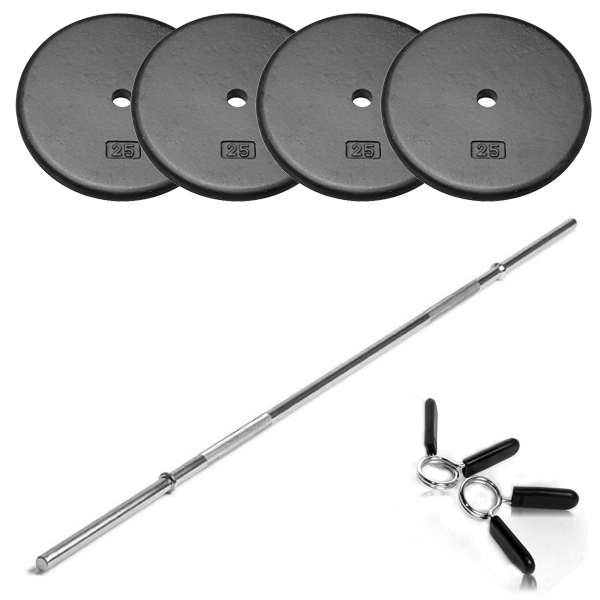
- Bars: Hang vertically or store horizontally on supports
- Bands: Store flat or loosely rolled, avoid kinks
- Benches: Store in upright position if foldable
- Cardio equipment: Cover when not in use
- Accessories: Use storage bins or hooks
Storage Environment
- Maintain consistent temperature
- Keep humidity levels low
- Ensure adequate ventilation
- Protect from direct sunlight
- Keep storage areas clean
When to Replace Equipment

Sometimes replacement is safer and more cost-effective than repair. Know when it's time to upgrade.
Signs It's Time to Replace
- Safety concerns: Cracks, bends, or structural damage
- Excessive wear: Padding that won't recover, worn cables
- Irreparable damage: Cost of repair exceeds replacement
- Outdated technology: Equipment no longer meets your needs
- Frequent breakdowns: Equipment fails repeatedly
Repair vs. Replace Decision
- Compare repair costs to replacement cost
- Consider remaining useful life
- Evaluate safety implications
- Assess availability of replacement parts
- Consider upgrade opportunities
Professional Maintenance Services
Some maintenance tasks require professional expertise. Know when to call in the experts.
When to Call Professionals
- Complex electrical issues with cardio equipment
- Structural repairs or welding
- Calibration of digital displays
- Major component replacements
- Warranty-covered maintenance
Annual Professional Service
- Comprehensive equipment inspection
- Deep cleaning and sanitization
- Calibration of all equipment
- Replacement of worn parts
- Safety feature testing
Maintenance Schedule Summary
Create a maintenance calendar to stay organized. Here's a recommended schedule:
Daily
- Wipe down equipment after use
- Return weights to storage
- Quick visual inspection
Weekly
- Deep clean all equipment
- Sanitize high-touch areas
- Vacuum or sweep floors
Monthly
- Comprehensive inspection
- Tighten all bolts
- Lubricate moving parts
- Test safety features
Quarterly
- Complete equipment audit
- Replace worn components
- Deep lubrication
- Check alignment and calibration
Annually
- Professional service call
- Major component inspection
- Equipment upgrades evaluation
- Comprehensive safety review
Essential Maintenance Tools
Basic Toolkit
- Adjustable wrench set
- Screwdriver set (flat and Phillips)
- Allen wrench set
- Lubricants (3-in-1 oil, silicone spray)
- Cleaning supplies (disinfectant, microfiber cloths)
- Level for checking equipment alignment
Conclusion: Maintenance Is an Investment
Regular maintenance is one of the best investments you can make in your gym equipment. By following these guidelines, you'll extend the life of your equipment, ensure safe workouts, and protect your financial investment.
Remember, maintenance doesn't have to be complicated or time-consuming. Simple daily habits combined with regular inspections will keep your equipment in excellent condition. Start with the basics, establish a routine, and your equipment will serve you well for years to come.
Need maintenance supplies or replacement parts? Browse our selection of cleaning products, lubricants, and equipment accessories. We also offer professional maintenance services to keep your equipment in peak condition.
Maintenance Quick Reference
- ✓ Clean equipment after every use
- ✓ Inspect monthly for damage or wear
- ✓ Lubricate moving parts quarterly
- ✓ Store equipment properly when not in use
- ✓ Address problems immediately
- ✓ Schedule annual professional service
- ✓ Keep maintenance records
- ✓ Replace worn parts promptly