




Creating your own home gym is one of the best investments you can make in your health and fitness. Not only does it save time and money in the long run, but it also provides the convenience of working out whenever you want. This comprehensive guide will walk you through everything you need to know to set up a functional, efficient, and inspiring home gym that fits your space, budget, and fitness goals.
Step 1: Assess Your Space and Budget

Before purchasing any equipment, take time to evaluate your available space and establish a realistic budget. This foundation will guide all your decisions moving forward.
Space Assessment
- Measure your space: Note dimensions, ceiling height, and any obstacles
- Consider flooring: Hardwood, carpet, or concrete may need protective mats
- Check ventilation: Ensure adequate airflow for comfortable workouts
- Plan for storage: Allocate space for equipment when not in use
- Access points: Ensure equipment can fit through doorways
Budget Planning
- Set a total budget: Determine how much you can invest upfront
- Prioritize essentials: Allocate funds to most important pieces first
- Plan for upgrades: Leave room in budget for future additions
- Consider quality: Better equipment costs more but lasts longer
Step 2: Choose Your Flooring

Proper flooring protects your equipment, reduces noise, and prevents injuries. The right flooring choice depends on your activities and existing floor surface.
Flooring Options
- Rubber mats: Durable, shock-absorbing, perfect for heavy weights
- Foam tiles: Lightweight, easy to install, great for cardio areas
- Interlocking tiles: Customizable coverage, easy to replace sections
- Rolled rubber: Seamless appearance, professional look
Key considerations:
- Thickness: 1/2 inch minimum for heavy lifting areas
- Density: Higher density for better protection
- Odor: Look for low-odor options for indoor use
- Maintenance: Easy-to-clean surfaces are essential
Step 3: Select Essential Equipment
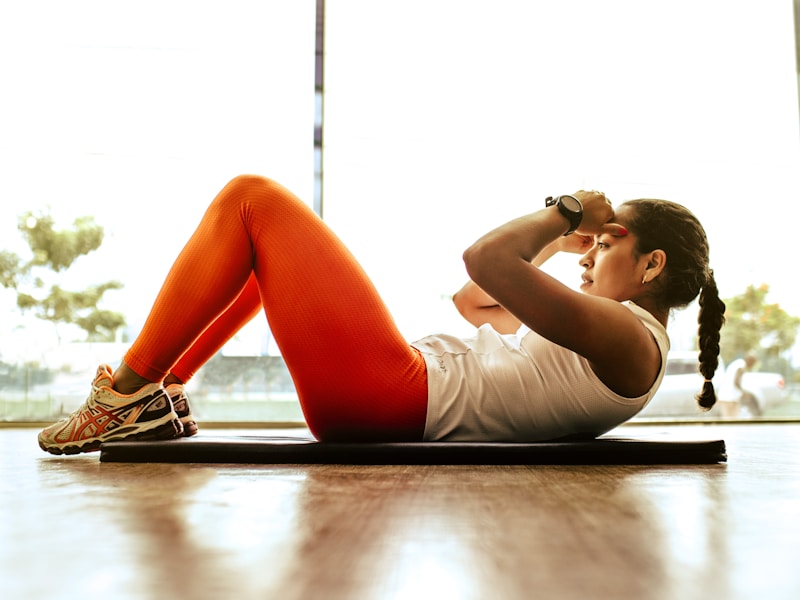
Start with versatile, multi-purpose equipment that provides maximum value. Build your foundation before adding specialized pieces.
Core Equipment Checklist
Strength Training Essentials
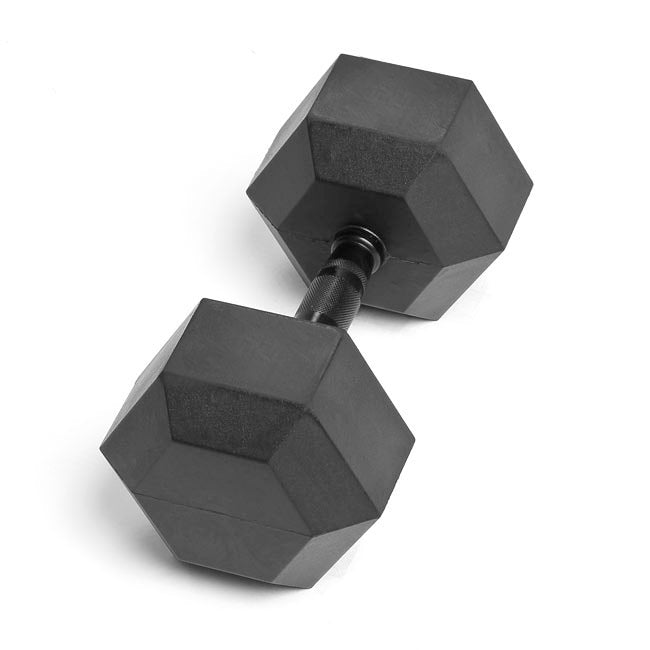
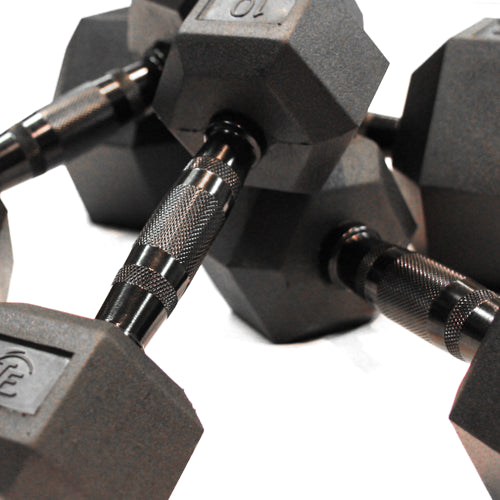
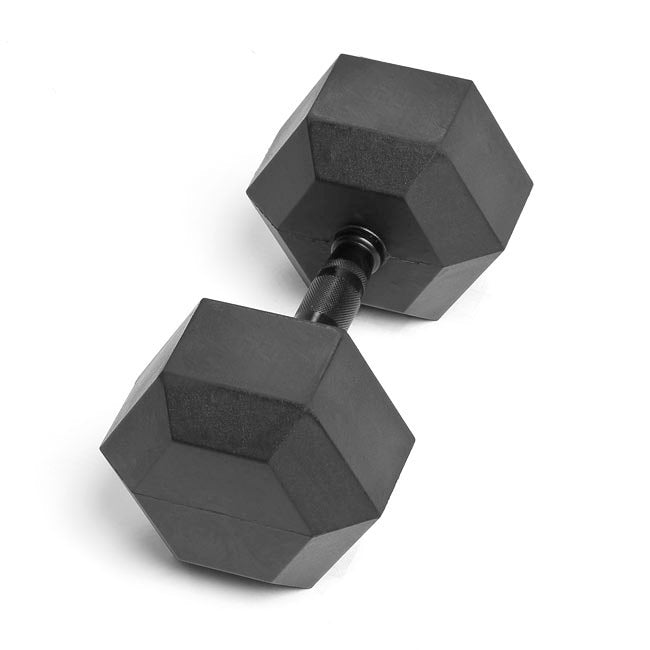
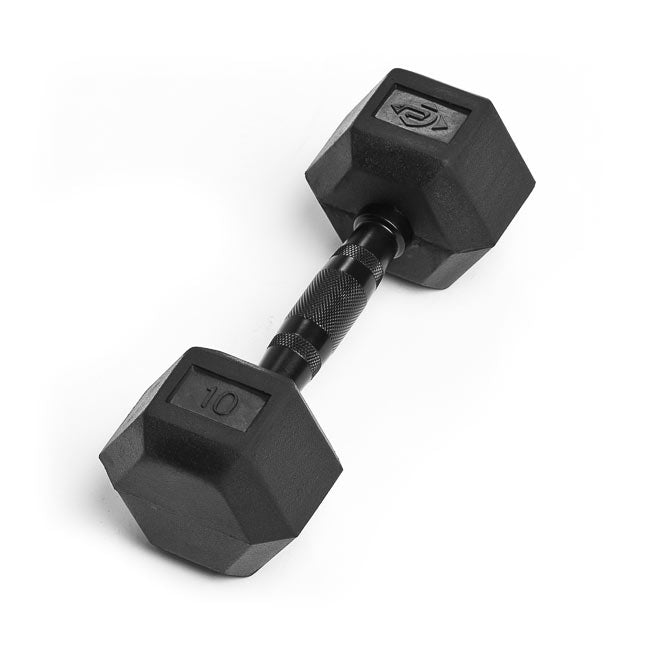
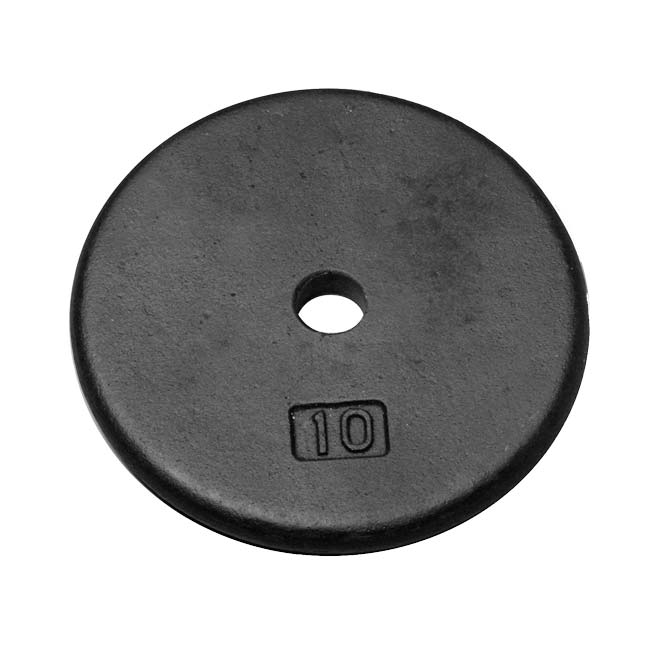
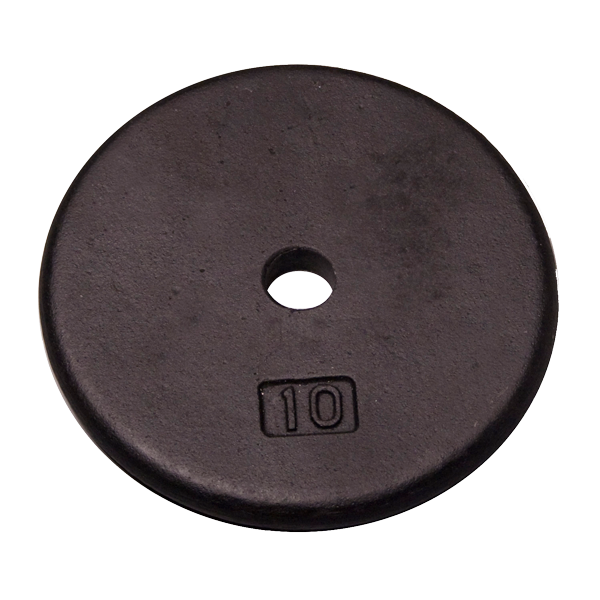
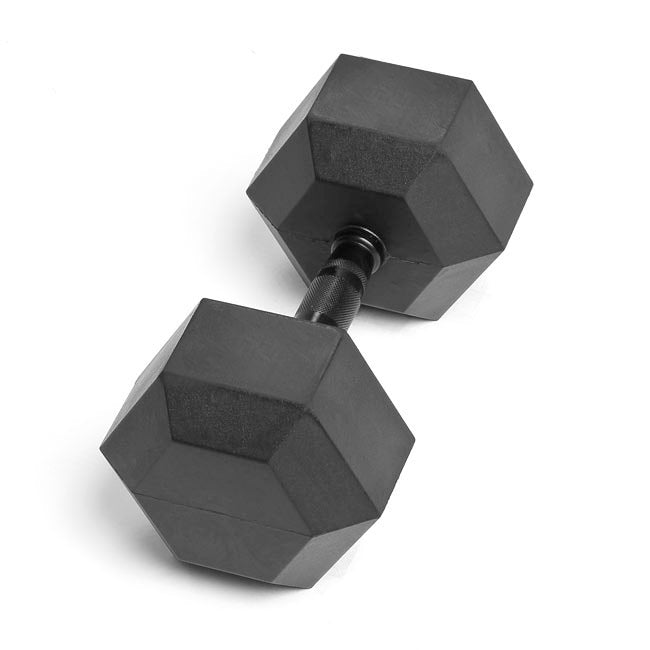
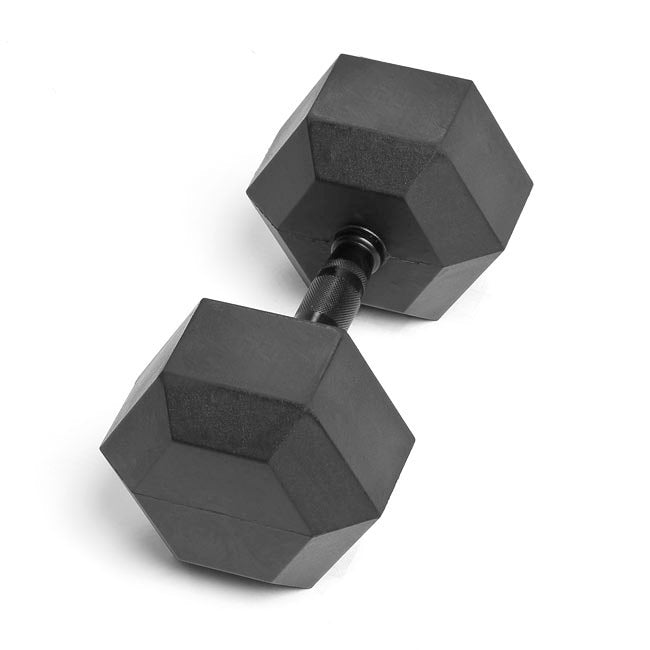
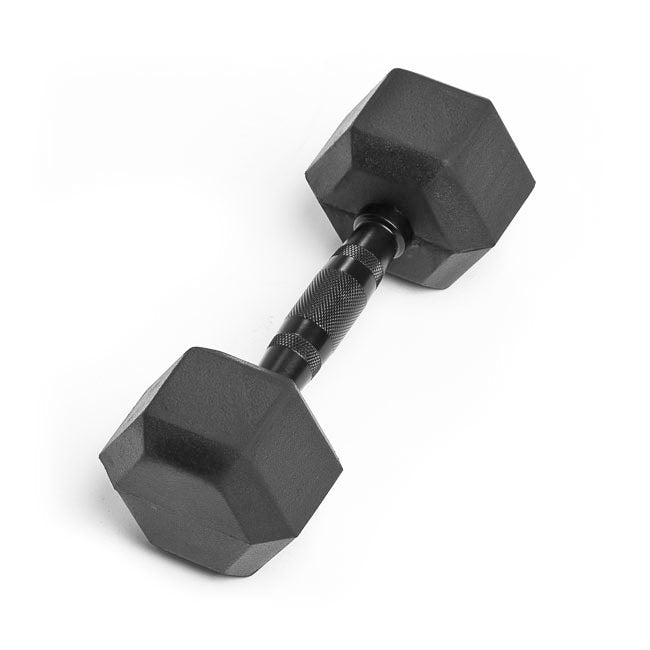
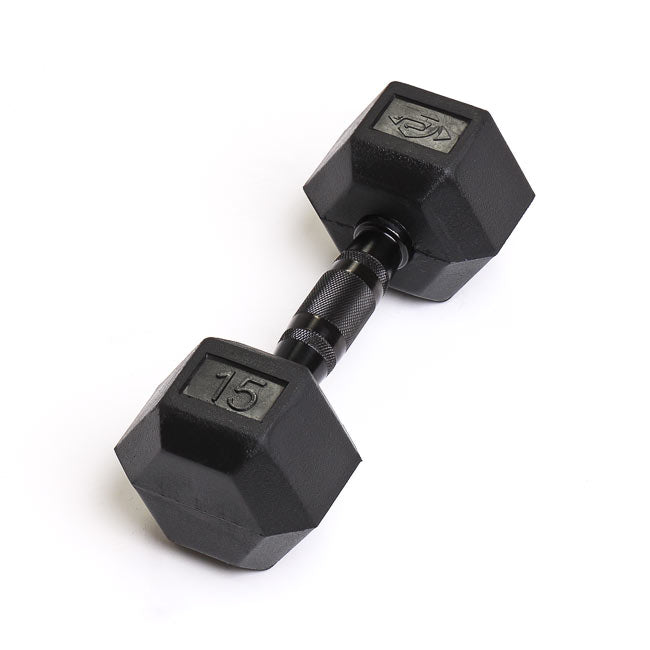
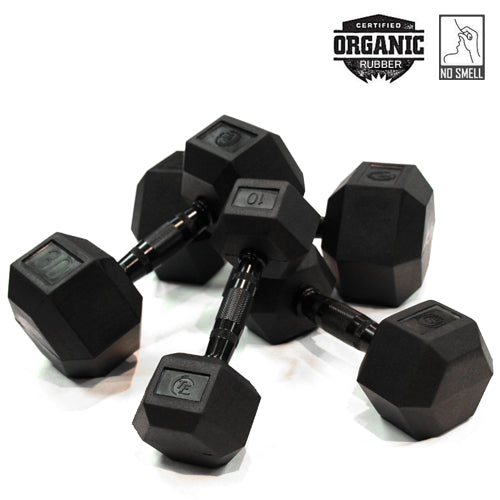
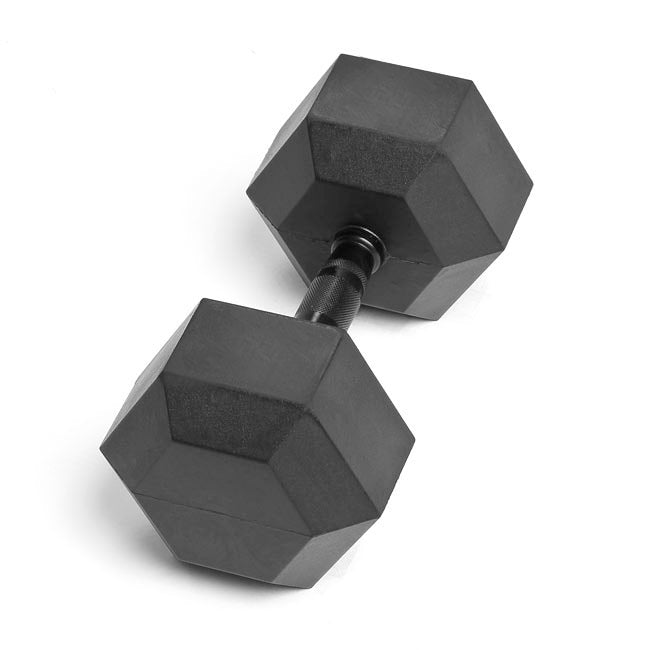
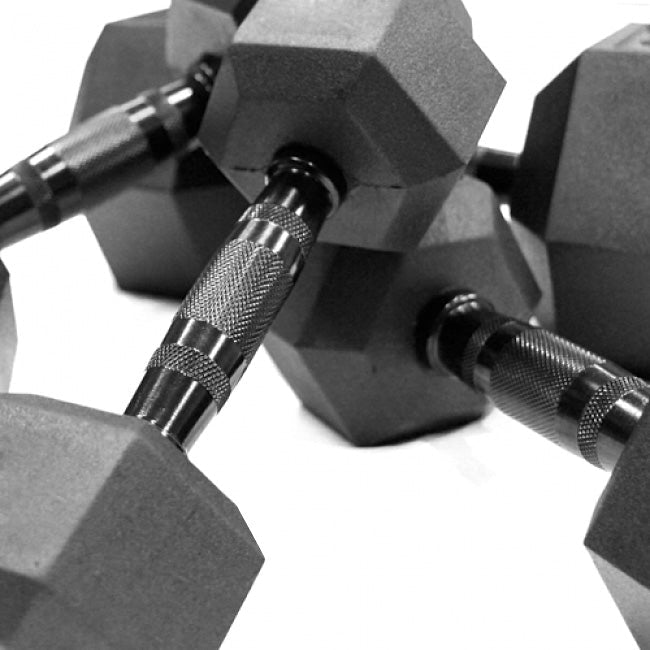
- Adjustable dumbbells or fixed weight set
- Adjustable weight bench
- Resistance bands (multiple resistance levels)
- Kettlebells (start with 2-3 different weights)
Cardio Equipment
- Treadmill, bike, or rowing machine (choose based on preference)
- Jump rope for quick cardio sessions
- Battle ropes (if space allows)
Accessories
- Yoga mat for floor exercises
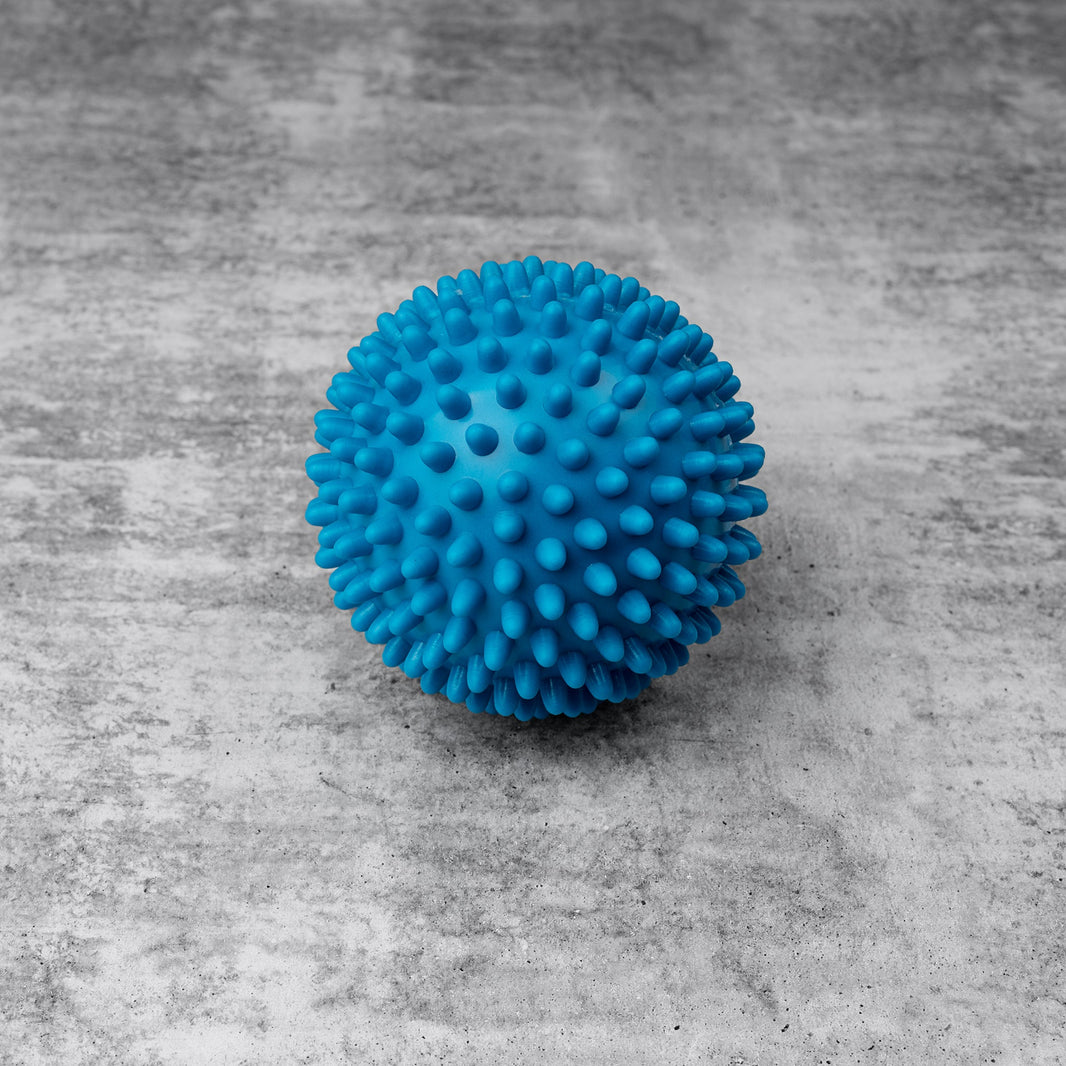
- Foam roller for recovery
- Pull-up bar or power tower
- Medicine ball
Step 4: Plan Your Layout

A well-planned layout maximizes your space efficiency and creates a safe, functional workout environment.
Layout Principles
- Create zones: Separate strength, cardio, and stretching areas
- Safety spacing: Leave adequate room around equipment for movement
- Traffic flow: Design paths that don't interfere with exercises
- Mirror placement: Position mirrors to check form without obstruction
- Storage solutions: Keep frequently used items easily accessible
Space-Saving Tips
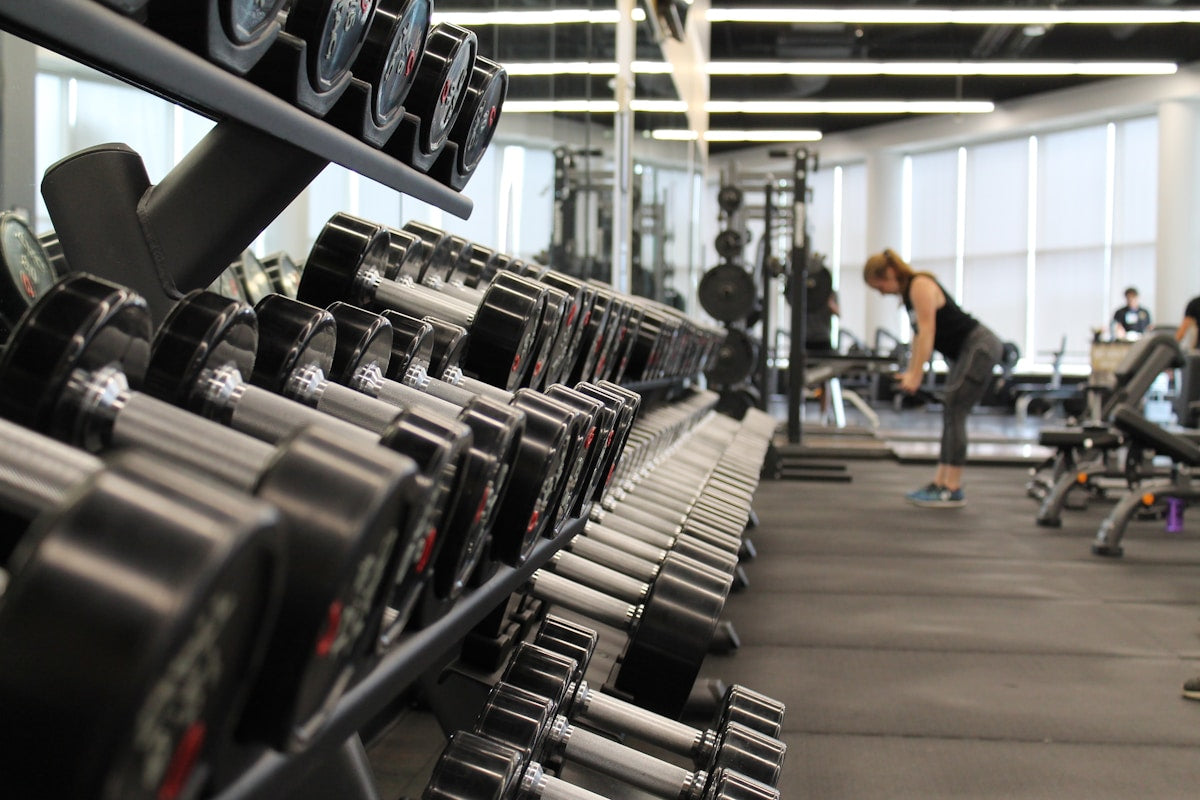
- Use wall-mounted storage for weights and accessories
- Choose foldable or adjustable equipment
- Stack or nest items when possible
- Utilize vertical space with racks and shelves
- Consider multi-functional equipment pieces
Step 5: Set Up Proper Lighting and Ventilation

Good lighting and ventilation are crucial for safety, comfort, and motivation. Don't overlook these important elements.
Lighting Solutions
- Natural light: Maximize windows if available
- Bright overhead lights: Ensure adequate illumination
- Task lighting: Add focused lights for specific areas
- Adjustable brightness: Dimmer switches for different moods
Ventilation Options
- Install ceiling or wall fans for air circulation
- Open windows when possible
- Consider an air purifier for dust and allergens
- Use dehumidifiers in damp spaces
- Ensure HVAC system reaches your gym space
Step 6: Install Storage Solutions

Proper storage keeps your gym organized, safe, and ready for workouts. Invest in storage solutions that match your equipment and space.
Storage Ideas
- Wall-mounted racks: For weights, bars, and accessories
- Storage benches: Dual-purpose seating and storage
- Shelving units: For smaller items and accessories
- Hooks and hangers: For resistance bands, jump ropes
- Storage bins: For smaller accessories and maintenance supplies
Step 7: Add Safety Features

Safety should always be your top priority. Implement safety measures before you start training.
Essential Safety Features
- Safety bars: For power racks and squat stands
- Spotter arms: When lifting heavy without a partner
- First aid kit: Keep it accessible and stocked
- Emergency phone: Keep your phone nearby during workouts
- Proper form mirrors: Check technique safely
- Clear floor space: Remove tripping hazards
Step 8: Create an Inspiring Atmosphere

Your gym should motivate you to train. Personal touches make your space inviting and energizing.
Atmosphere Enhancers
- Color scheme: Choose energizing colors that motivate you
- Music system: Install speakers or use portable Bluetooth speakers
- Motivational posters: Display fitness goals and inspirational quotes
- TV or tablet: For workout videos and entertainment
- Plants: Add greenery for a fresh, natural feel
- Personal touches: Include items that inspire you
Step 9: Establish Your Workout Routine

Now that your gym is set up, create a workout plan that utilizes your new equipment effectively.
Routine Planning Tips
- Start with 3-4 workouts per week
- Balance strength and cardio training
- Include rest days for recovery
- Track your progress with a journal or app
- Adjust your routine as you progress
- Set specific, measurable goals
Step 10: Maintain Your Equipment
Regular maintenance extends equipment life and ensures safe, effective workouts.
Maintenance Schedule
Daily
- Wipe down equipment after each use
- Return weights and accessories to storage
- Check for any obvious damage
Weekly
- Deep clean all equipment
- Inspect for loose bolts or connections
- Check cables and resistance mechanisms
Monthly
- Lubricate moving parts
- Tighten all bolts and connections
- Inspect upholstery for wear
- Test safety features
Common Home Gym Setup Mistakes to Avoid
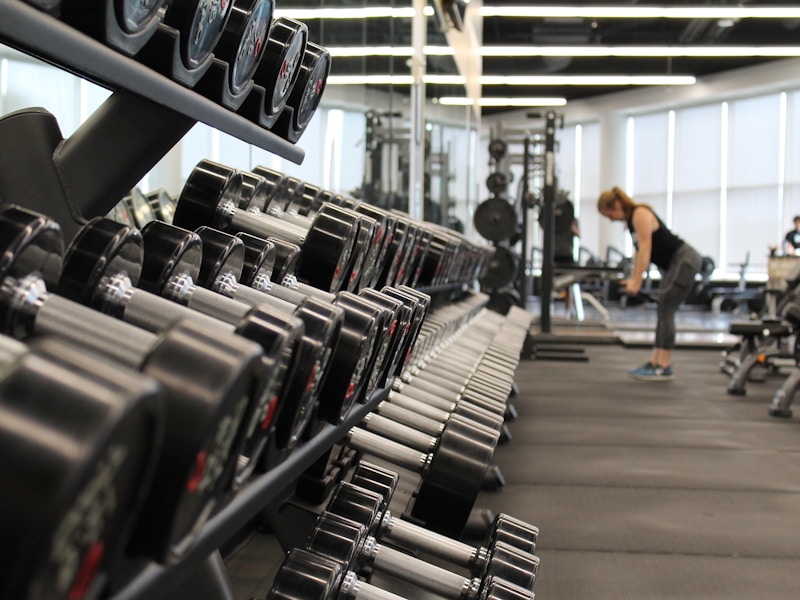
- Buying too much too soon: Start with essentials and build gradually
- Ignoring space constraints: Measure twice, buy once
- Skimping on flooring: Protect your floors and equipment
- Poor lighting: Dim spaces are demotivating and unsafe
- No storage plan: Clutter makes workouts less effective
- Forgetting ventilation: Stuffy spaces are uncomfortable
- Neglecting safety: Always prioritize safety features
Budget-Friendly Setup Options
Starter Setup ($500-$1,000)
- Resistance bands set
- Adjustable dumbbells
- Yoga mat
- Foam roller
- Jump rope
- Basic flooring tiles
Intermediate Setup ($1,000-$3,000)
- Everything from starter setup
- Adjustable bench
- Kettlebells
- Pull-up bar
- Medicine ball
- Cardio equipment (treadmill or bike)
Complete Setup ($3,000+)
- Everything from intermediate setup
- Power rack or squat stand
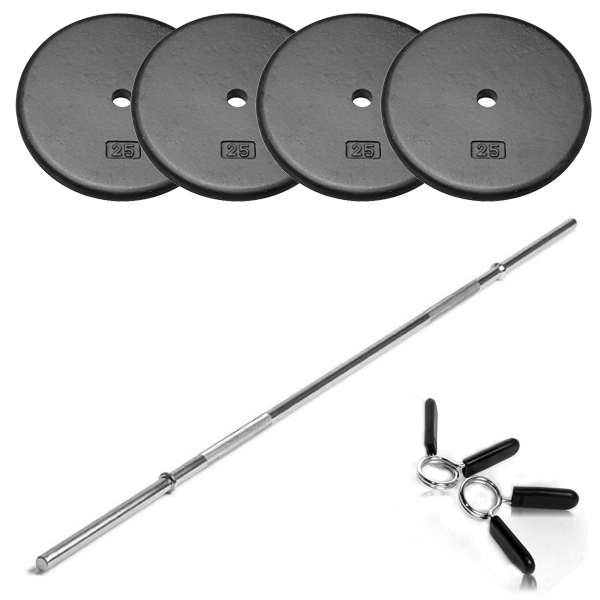
- Olympic barbell and plates
- Commercial-grade cardio equipment
- Specialized accessories
- Professional flooring
Conclusion: Your Home Gym Journey Begins
Setting up a home gym is an exciting journey that pays dividends in your health, fitness, and overall quality of life. By following these steps, you'll create a space that's functional, safe, and inspiring—a place where you'll actually want to work out.
Remember, your home gym doesn't need to be perfect from day one. Start with the essentials, use your space regularly, and gradually add equipment as your needs evolve. The most important thing is to create a space that motivates you to stay consistent with your fitness routine.
Ready to start your home gym setup? Browse our selection of quality gym equipment, flooring solutions, and accessories. We offer everything you need to build the home gym of your dreams, from budget-friendly starter kits to complete professional setups.
Quick Setup Checklist
- ✓ Measure and assess your space
- ✓ Set a realistic budget
- ✓ Choose appropriate flooring
- ✓ Select essential equipment
- ✓ Plan your layout
- ✓ Install proper lighting and ventilation
- ✓ Set up storage solutions
- ✓ Add safety features
- ✓ Create an inspiring atmosphere
- ✓ Establish maintenance routine